What to look for when you suspect flashing trouble
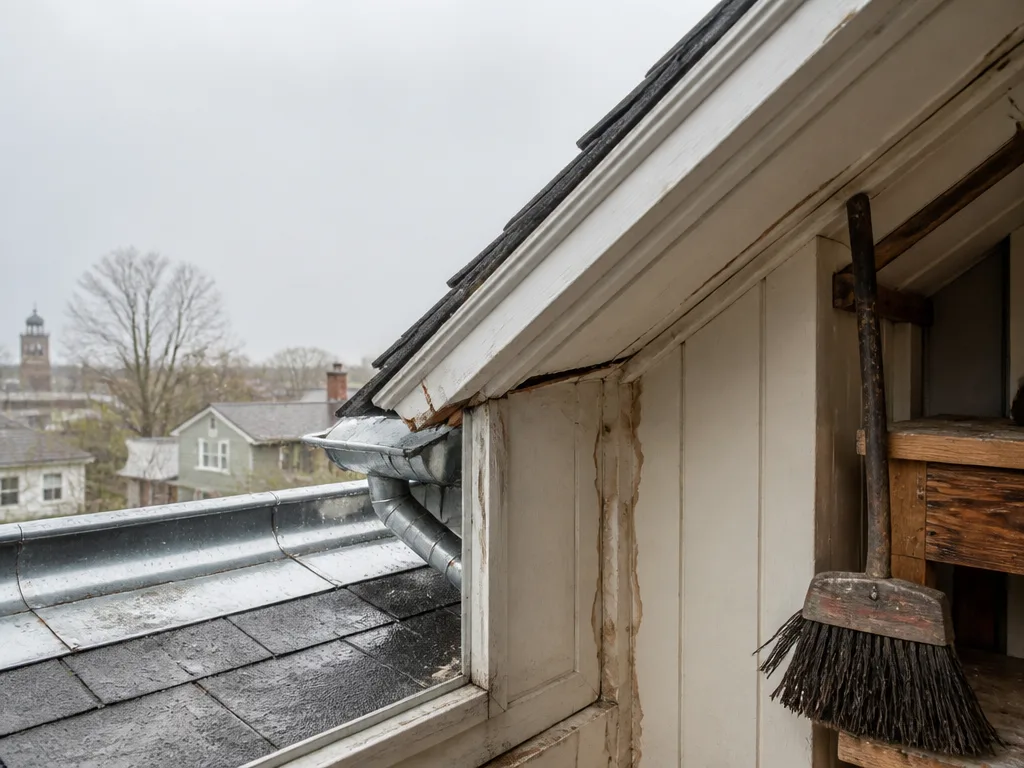
Rhode Island weather brings heavy rain and steady humidity. Gutter flashing is meant to protect roof joints where the roof meets the wall. When it starts to fail you’ll notice water marks near the attic, at the chimney, or along the edge of the roof. A telltale sign is dark staining on ceiling drywall beneath the eaves. If you see peeling paint on the exterior near dormers or the roof line, that can mean water is seeping behind the flashing.
Another common indicator is shingles that seem loose or slightly bubbled near the roof edge. In Rhode Island’s climate, frost and thaw cycles can loosen flashing and cause hairline gaps. You might also feel damp air in the attic or notice a musty smell after a rain. Our crews in every Rhode Island metro see these issues year round, especially after a severe storm.
Why flashing fails in Rhode Island conditions
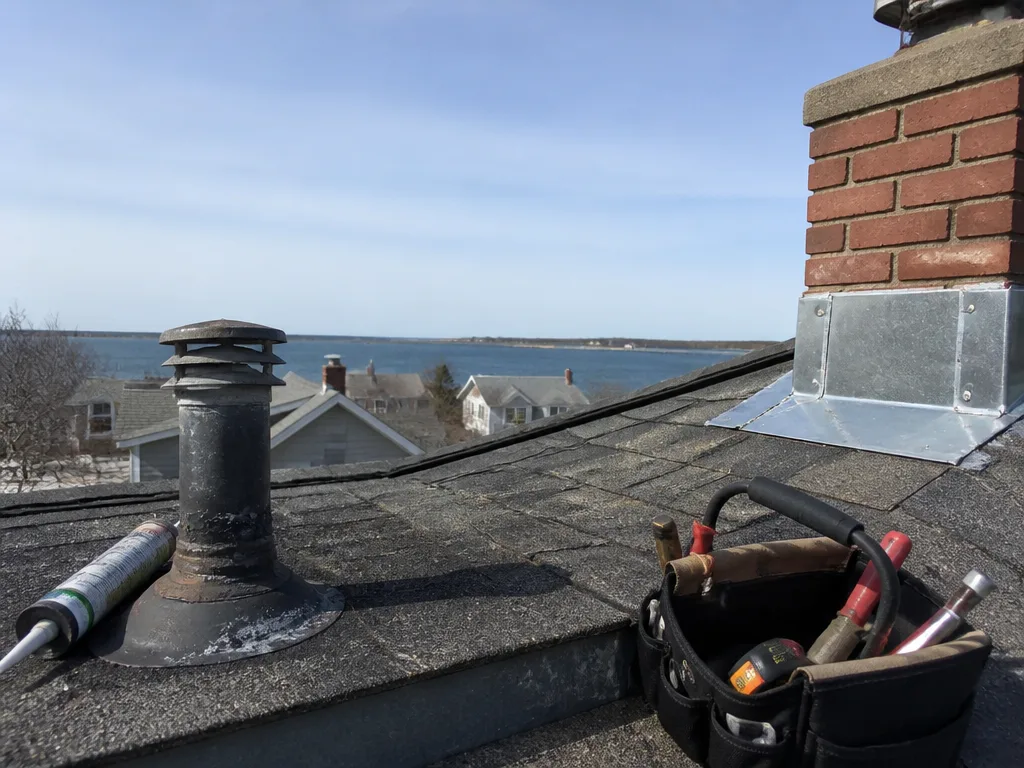
Flashing is thin metal or flexible material that sits behind shingles at joints, vents, and transitions. In Rhode Island, freeze-thaw cycles, mixing hail with driving rain, and wind-driven rain push moisture into tiny gaps. Over time, sealants dry out and joints separate. As water finds its way behind the flashing, you’ll get staining and damp spots on interior walls.
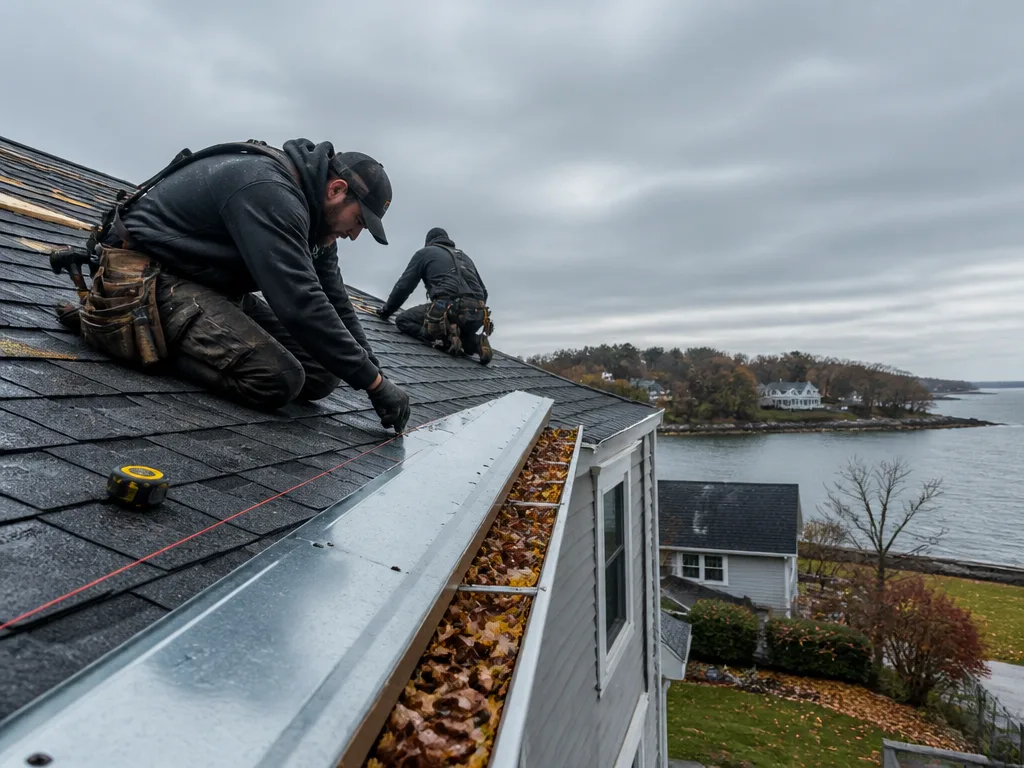
Another factor is improper installation. If the flashing isn’t integrated with the roof edge and gutter system, water can back up and seep under shingles. Our statewide Rhode Island crews address these issues on every job by checking the entire roof edge, not just the visible flashing.
What to do if you notice signs
Start with a careful visual inspection from the ground. Look for gaps along the roof edge, loose nails, or areas where sealant has pulled away. If you’re comfortable climbing a ladder, you can check for loose or lifted flashing near the valleys and joints. Do not pry at flashing yourself if you’re unsure; a small mistake can cause more damage.
Call Rhode Island Gutter Flashing Repair for a professional assessment. Our team can confirm whether the flashing is the cause, identify related issues like damaged shingles or clogged gutters, and explain options tailored to Rhode Island homes. We’ll work with you to determine the right approach and a practical timeline for repairs.